TWO WEEKS IN TOKYO
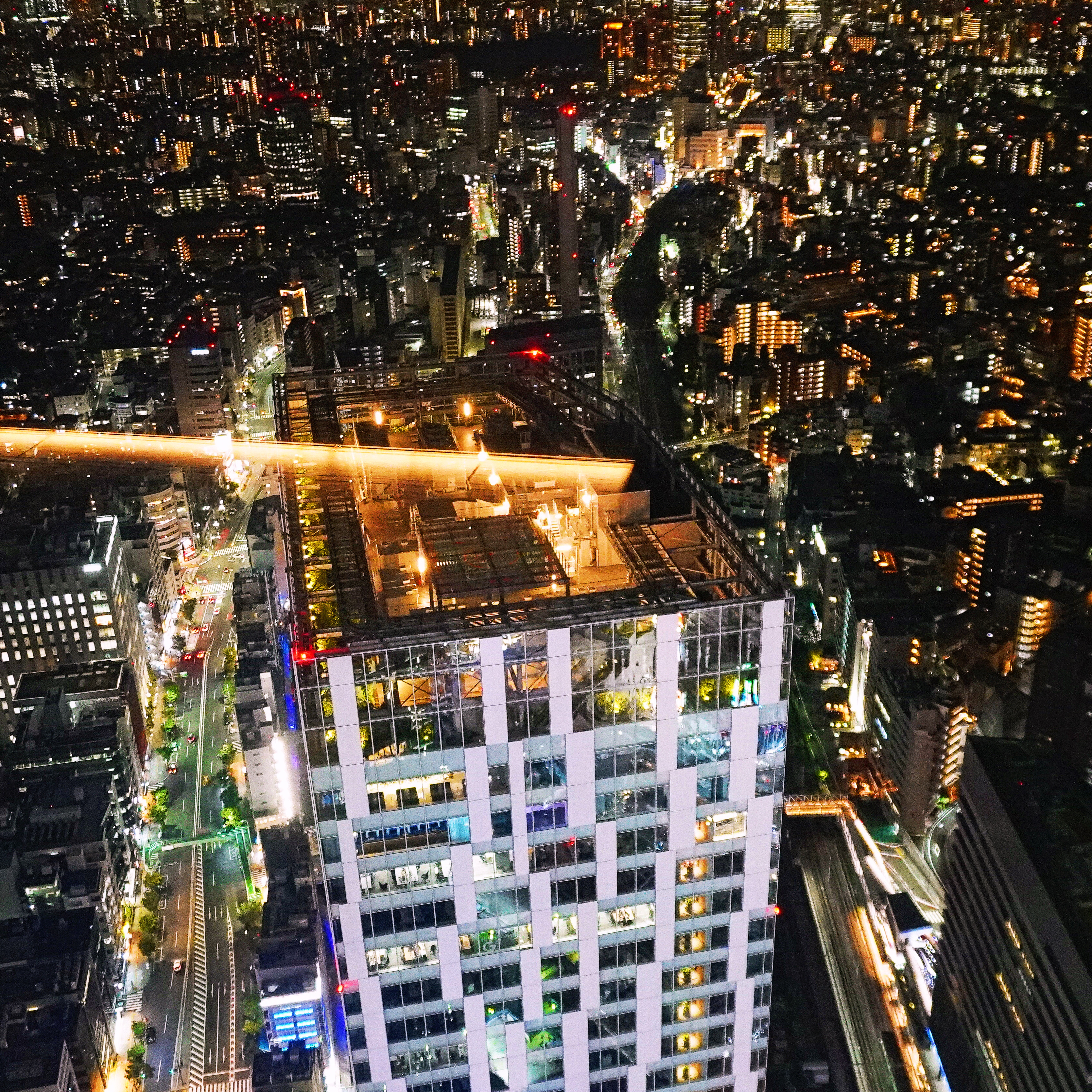
5F. Cafe & bar. WANTED. You can smoke while drinking alcohol in our restaurant.
Said a billboard on a building exterior. Through a window, a flashing dartboard visible from a raised pavilion and office park across the street, or streets, it's hard to tell.
HUBS
Locals is a romantic word. A degree higher than being a regular—which to me characterizes the preference of the individual.
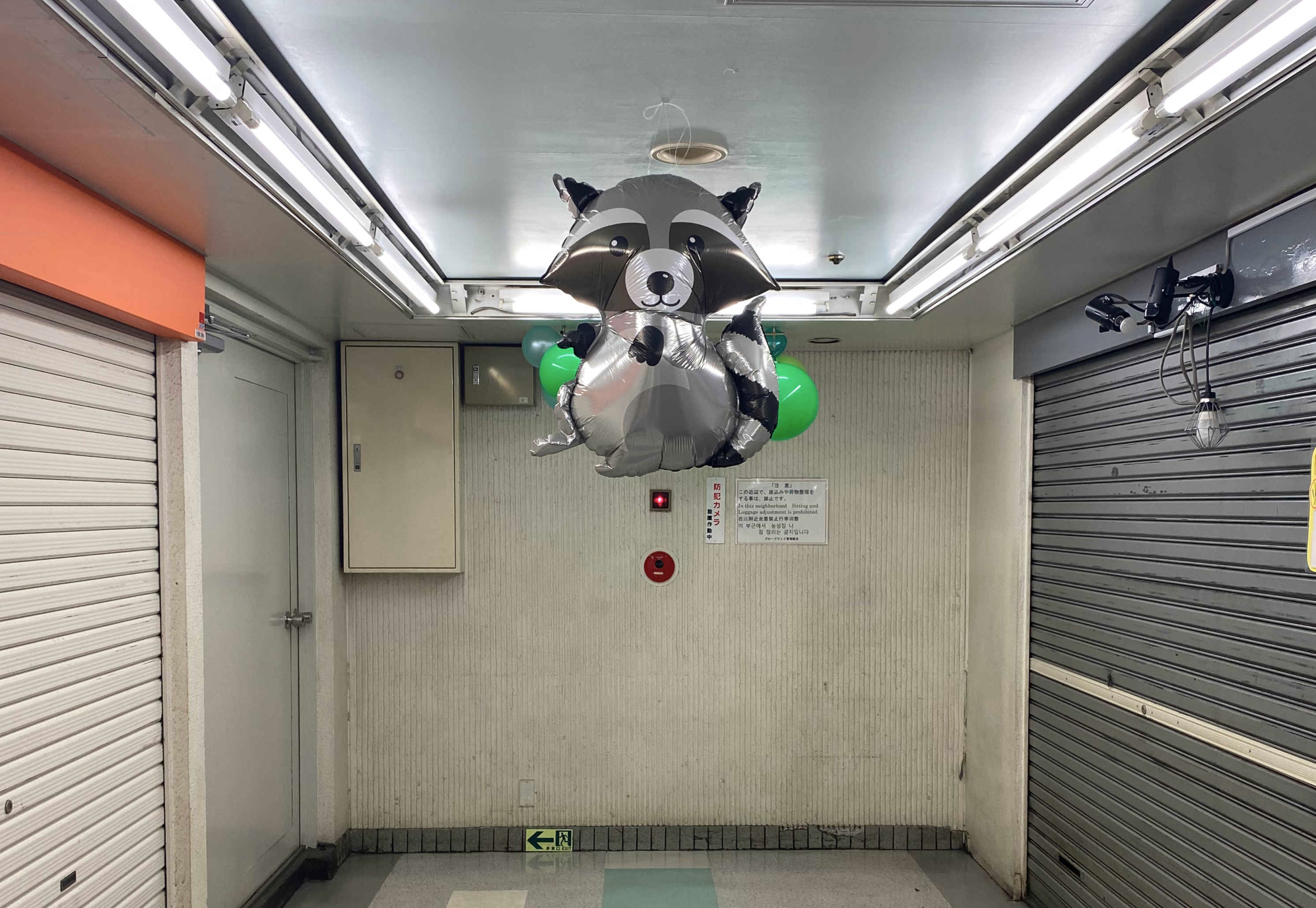
Where local the preference of the place and the city—to be a local is a privilege earned, an acceptance. A matriculation.
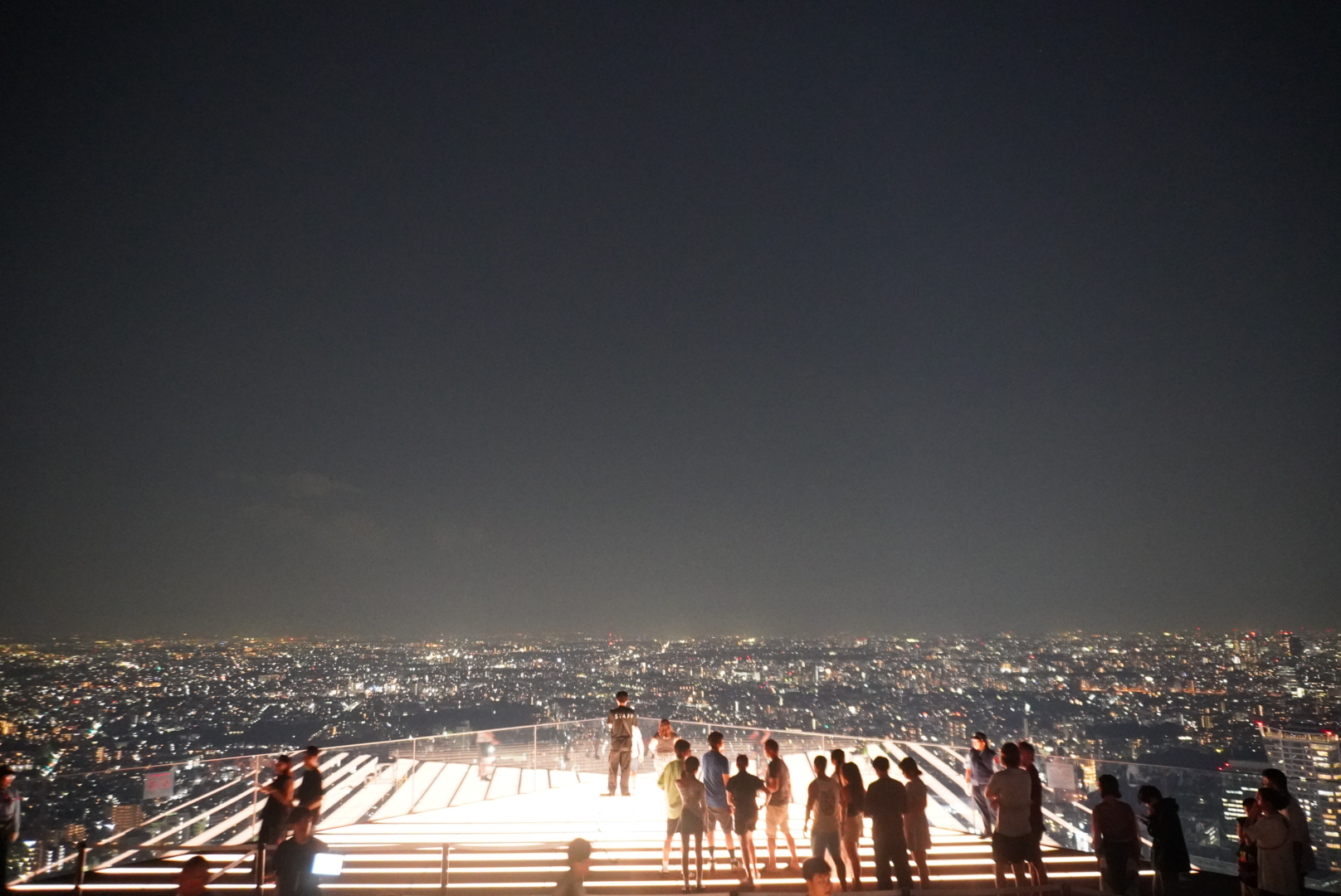
As one chooses a place, a place also chooses.
WANTED
The elevator opened from street level in Akihabara to a hot and narrow concrete landing on the fifth floor. And to the left a tinted glass door with WANTED!!! written and colored-in with bright orange paint. The bar was small and too clean to be a dive but looked like it probably has its nights.
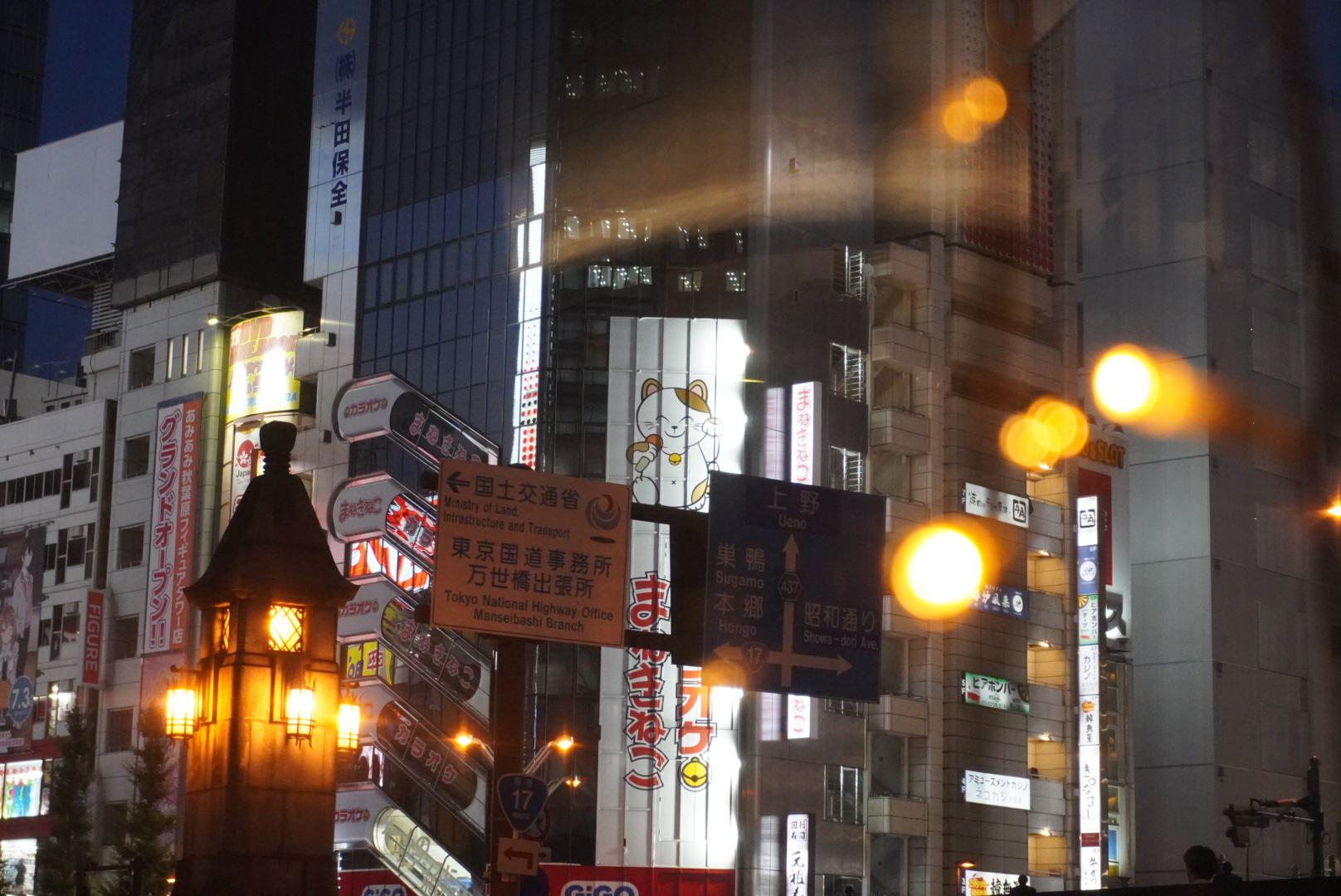
Four tall tables with high chairs, and a black couch against the wall, across the projectile path of the flashing dartboard.
Liezel1 behind the bar wore a cowboy hat. Both women behind the bar wore cowboy hats. And vests. Hiroko's hat was black, and her hair dyed green.
"Is 'Liezel' a Japanese name?" I asked. She said she's half Filipino. I can call her Lisa. Then Lisa apologized, and said her English isn't good.
I said her English is better than my Japanese and she laughed.
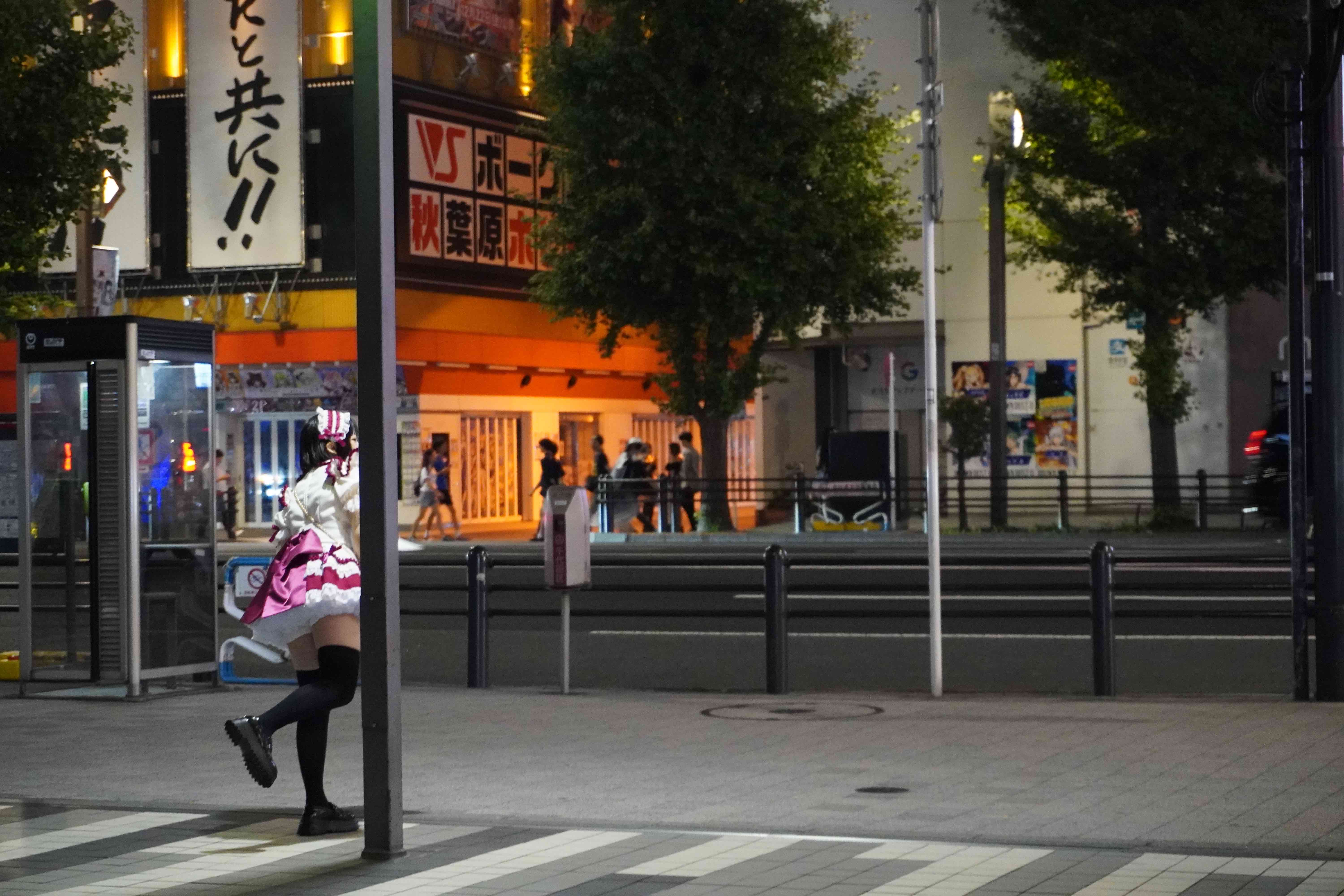
The mileage I have on that line.
Lisa doesn't like metal music, but Hiroko who crinkles her nose when she flirts knows a place in Kabukicho called GODZ. (Again with the caps.)
BLACK SUN & GODZ
At street level in Kabukicho, the floor listing showed GODZ one floor below and, six floors up, Black Sun jazz club.
I had spent the afternoon in Shibuya buying records, and with my tote, camera, and sling, slung over my shoulders, I had to decide how to start the night—on jazz or metal.
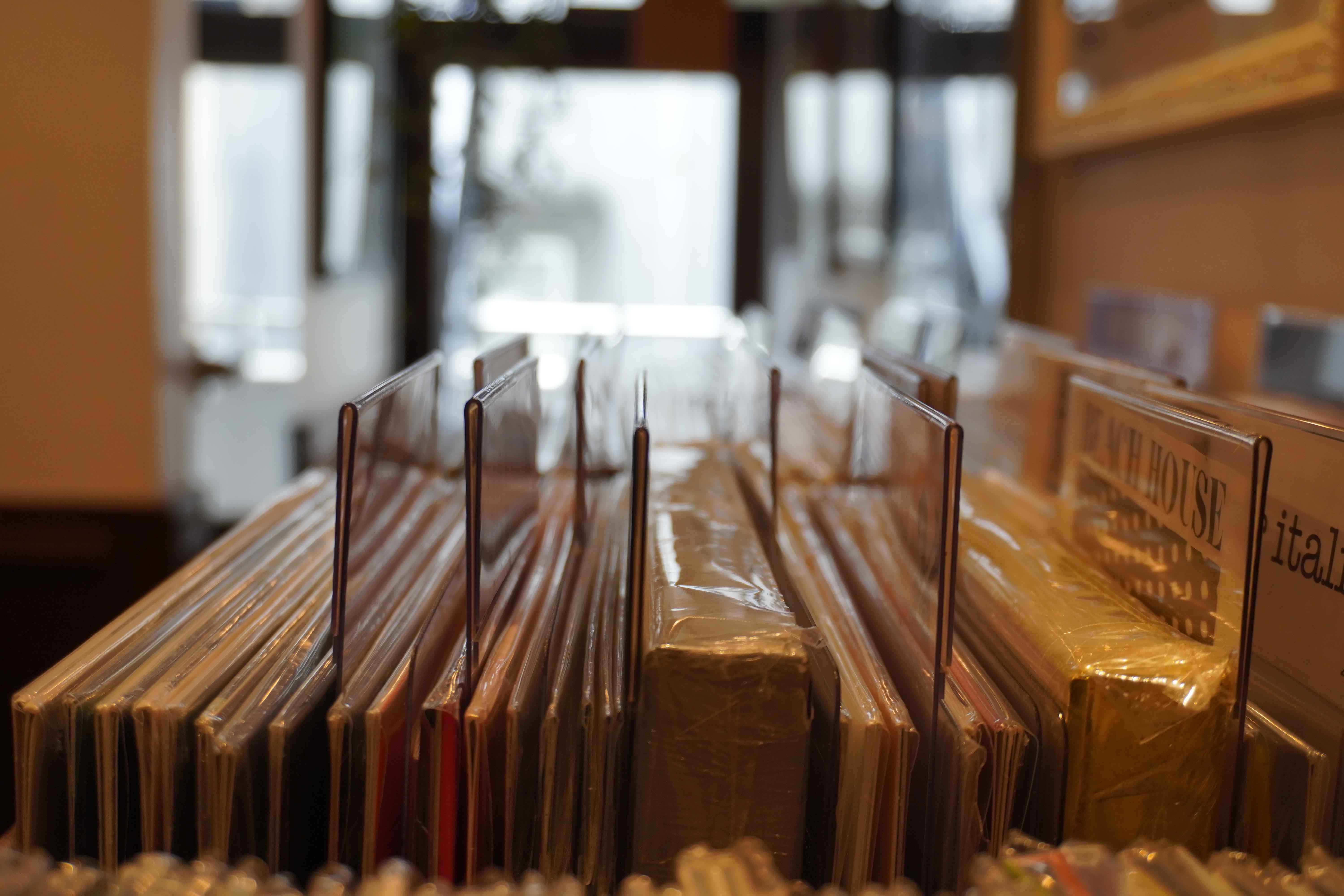
I wanted to tell Hiroko that I had followed her recommendation. I also wanted to de-romanticize or validate the sound of the phrase "Tokyo jazz club."
Black Sun, the Tokyo jazz club was empty. A large projector screen, mounted and drawn silvery and blank on the far wall, behind a drum kit, amps and sound equipment; a nook with a lamp and a chair under bookshelves curated with songbooks and histories, and photographs of musicians from earlier decades. Club does not convey the speakeasy character of the place. Worn, and cozy.
I sat at the bar, offloading my bags and camera on top.
To my left, a man in his late fifties emerged from the kitchen. With an expression of surprise or curiosity, he bowed. I bowed. Konnichiwa, he said. I said, konnichiwa.
"English?" He asked, and held up a version of the drink menu I could understand. Yes, thank you, I said, and then I asked what he recommended for a smoky, Japanese whisky.
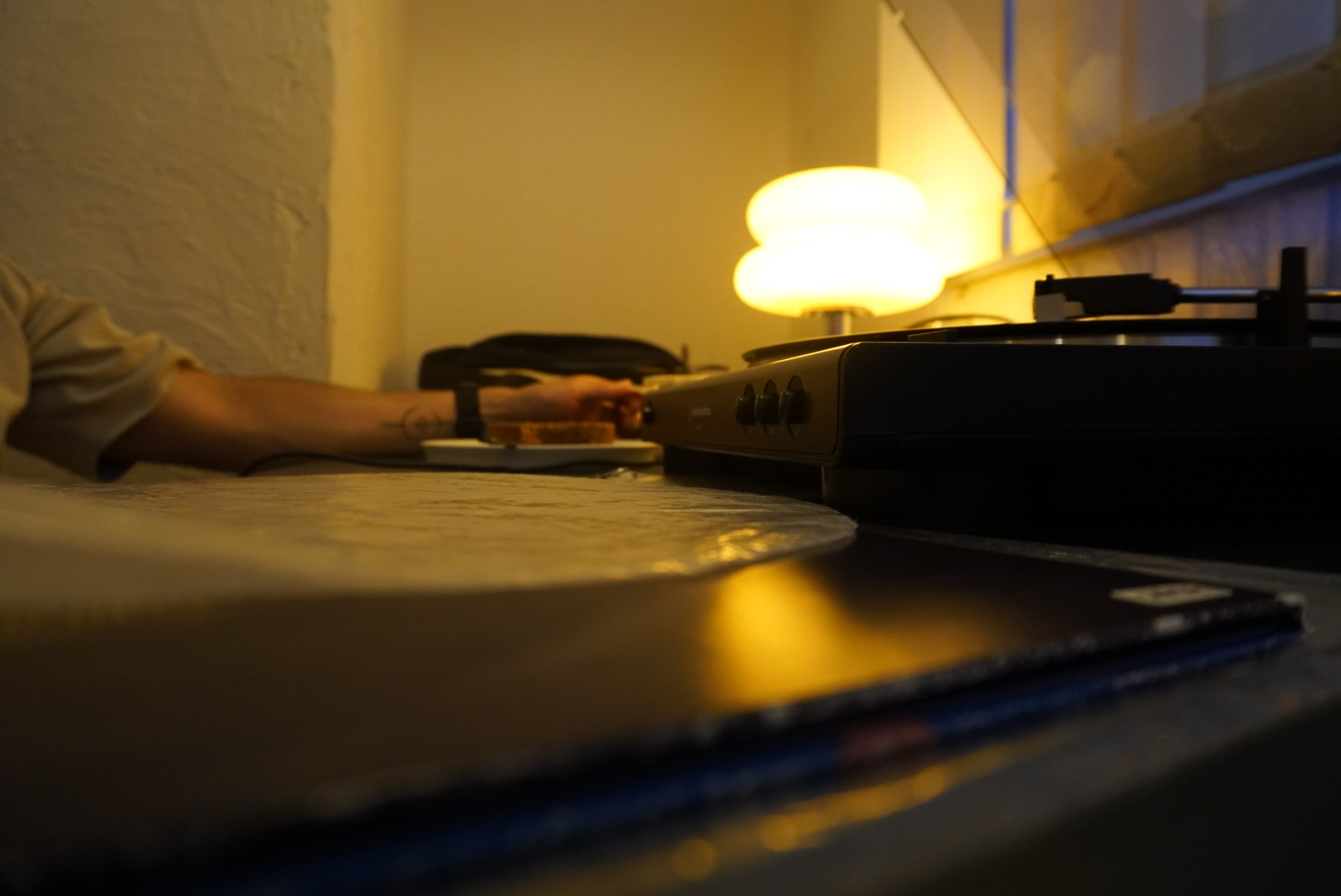
Kiyoshi told me he had traveled in the United States in the nineties. New York, Chicago, and cities he couldn't recall. He's never been to Texas. I said that's probably fine—although, there are some good jazz clubs in Houston, at least there were in the early 2000s when I made regular trips there to buy records, and I tapped my toted stack of vinyl loot.
Kiyoshi asked if I wanted to play my records. I said I love a listening party.
He inspected the records one by one and stopped at Heaven Beach.
"This song is very good," he said, and pointed to 'Last Summer Whisper' listed on the sleeve.
With reverence, precision and grace, Kiyoshi de-sleeved the transluscent-yellow record and set it on the platter of his turntable behind the bar. He switched the input on the speaker system, and the crisp crackle of the needle on vinyl animated the room and gently tickled a smile on my face.
Heaven Beach was recommended to me earlier that day at Beams Records. I bought it because the dude who made the rec was infectiously enthusiastic about the selection—and the album was originally released in 1982, my birth year.
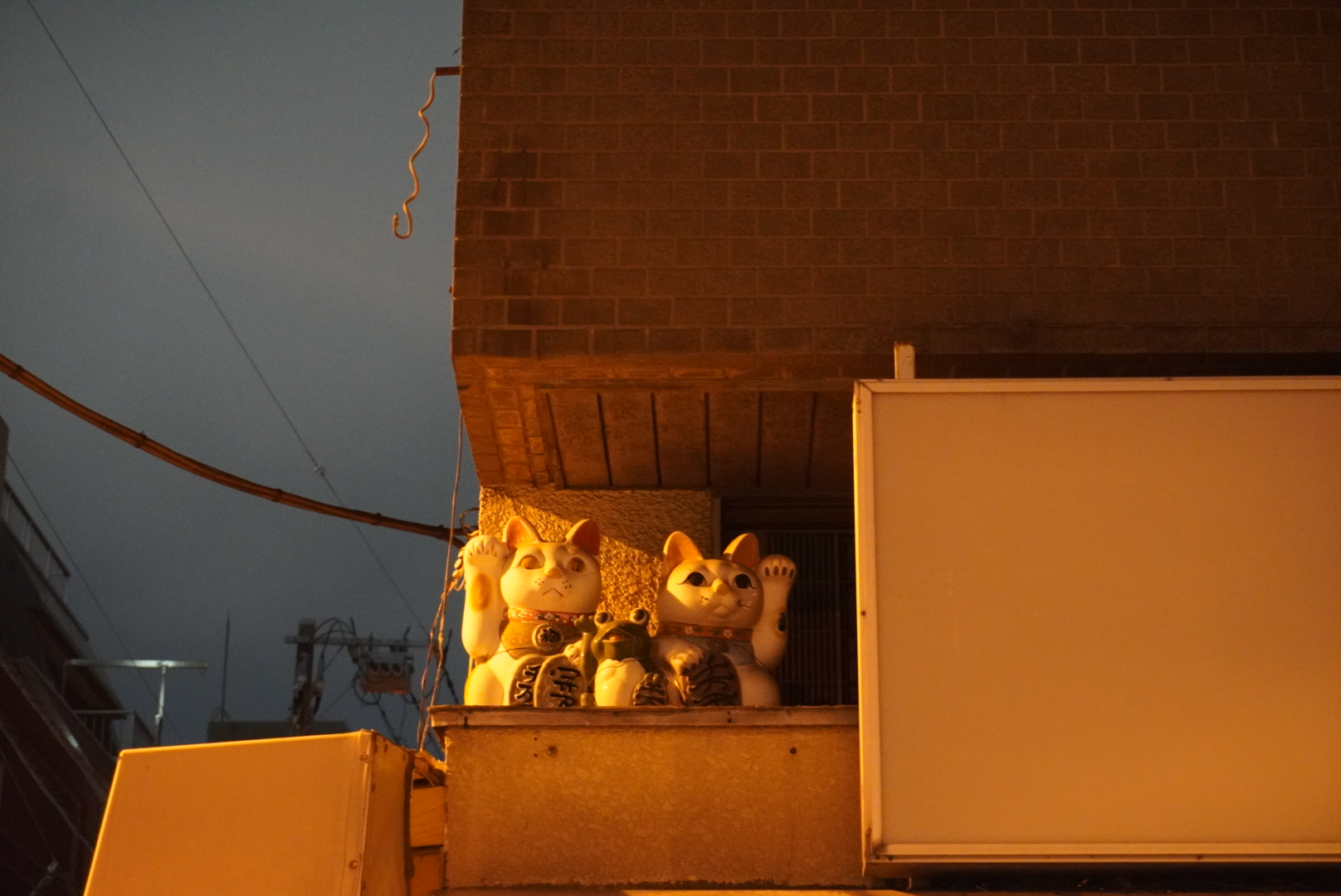
I hadn't ever listened to 'Last Summer Whisper', or Anri, the singer, until Black Sun jazz club. Before that sultry and downtempo beat licked my ears through the club soundsystem, and Anri sang a dream I didn't know I was having.
That moment, two grown men sat silently with each other in a Tokyo jazz club, drank Nikka Yoichi, and fell in love with the same woman.
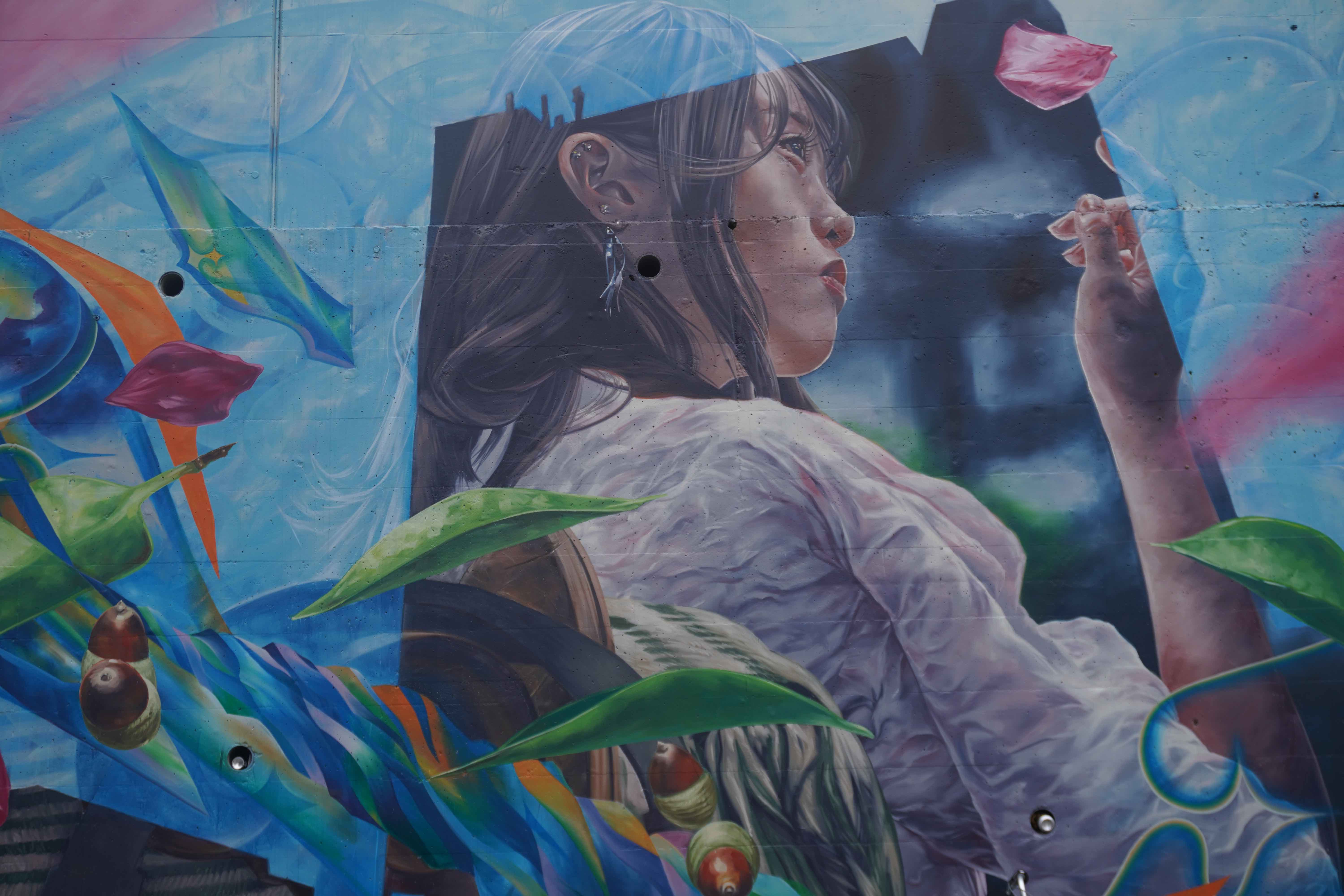
Then, GODZ. Two maths professors from Germany who had emigrated for their Japanese wives, respectively, from whom they are now respectively divorced. Both past middle-age, their lives are a bit boring, they say, but Tokyo is never boring, they also say.
IGU & PEACE
The elevator opens at the fourth floor to a small library. A really small library. Almost uncomfortable. When the elevator closed behind us I felt an urge to spastically rush finding the book, the one that contains the button, nested in a cut-out section of its pages, the button which opens the hidden door.
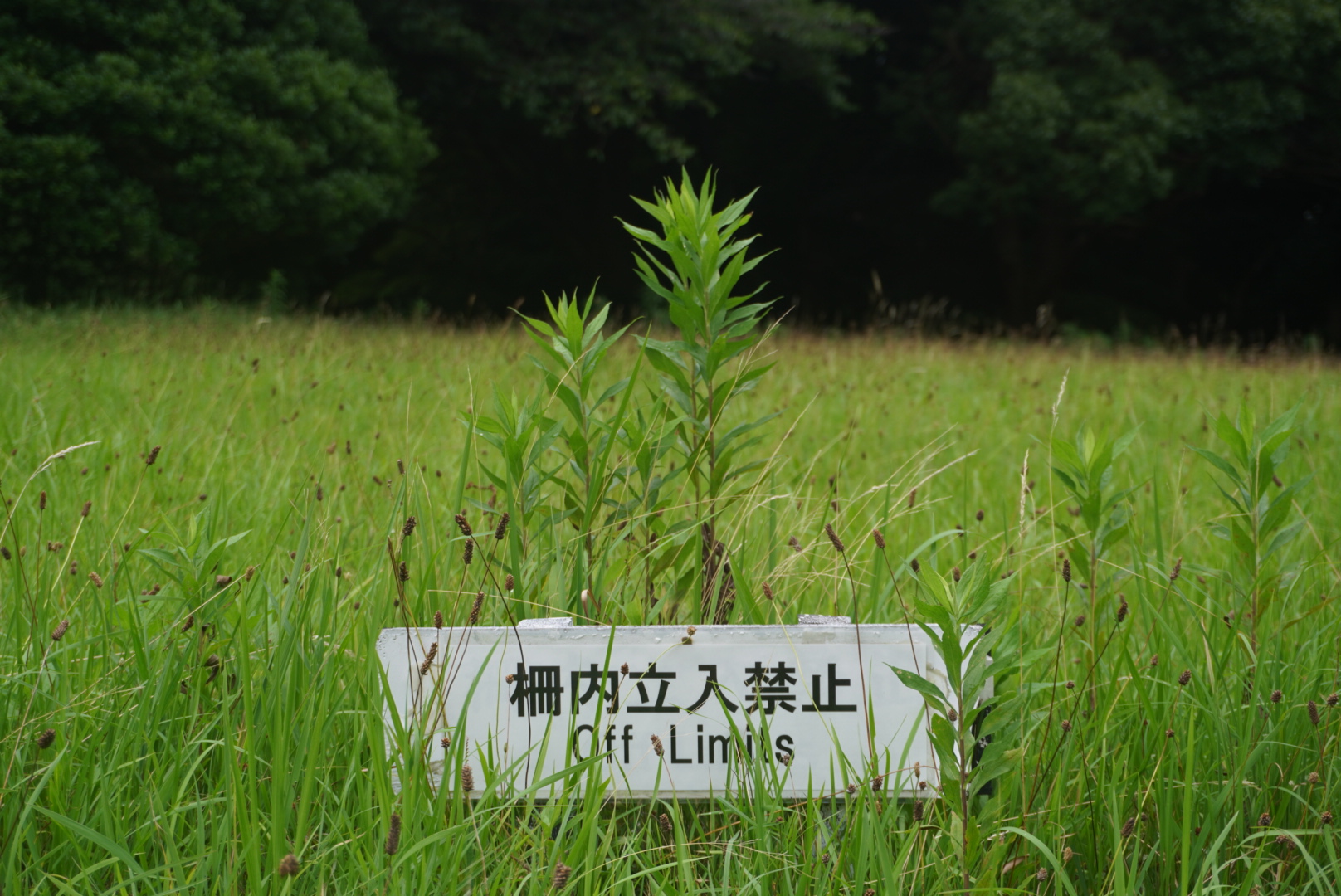
Hiroko wore what looked like a wedding dress, with her black vest from the bar. The ensemble with her green hair actually complimented the interior of Igu & Peace, which has swings instead of chairs and stools at the bar, a table inside a Mini Cooper, and a menagerie of curiosities like skeletons, certainly possessed vintage toys, and the eponymous iguana, also a toy, also possessed.
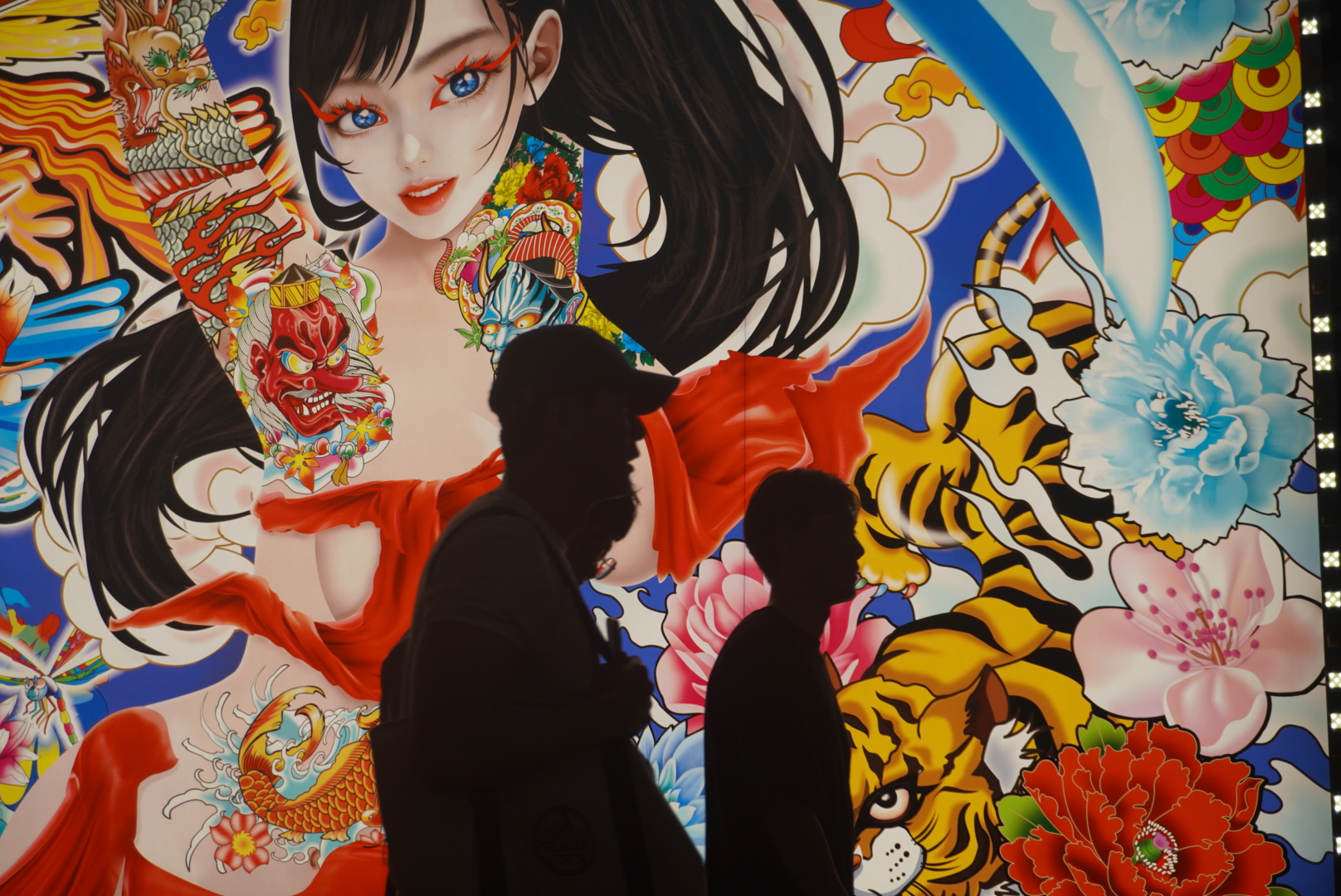
I told Hiroko I had been to GODZ. She made a sound that I took as questionable surprise, and delight, or intrigue, or an affect to punctuate whatever emotionally satisfies the moment. She said, "I want to go with you. Next time. Let's go together. Tonight?"
Our drinks each arrived in small treasure chests. When the servers had put both our chests on the table, Hiroko and I leaned in and put an ear to the chest, and laughed. "Safe!" She said. Smoke escaped the chests when we opened them, revealing our cocktails underlit with colored bulbs, hers red mine green. "Not safe!" She said.
We held our glasses up, and I said today is actually my birthday.
She made that sound again, but louder, and said, "Today? Your birthday?! Happy happy! Do you want the song?"
"Thank you, no, no—I don't want the song."
For some reason I bowed. Then she bowed.
She said, "Okay. My birthday. My birthday is in two weeks!"
"Oh really? Do you want the song?"
Hiroko covered her mouth and laughed shaking her head. Then, stressing each syllable, she said, "I—know—what—we—will—do. Where—we—will—go."
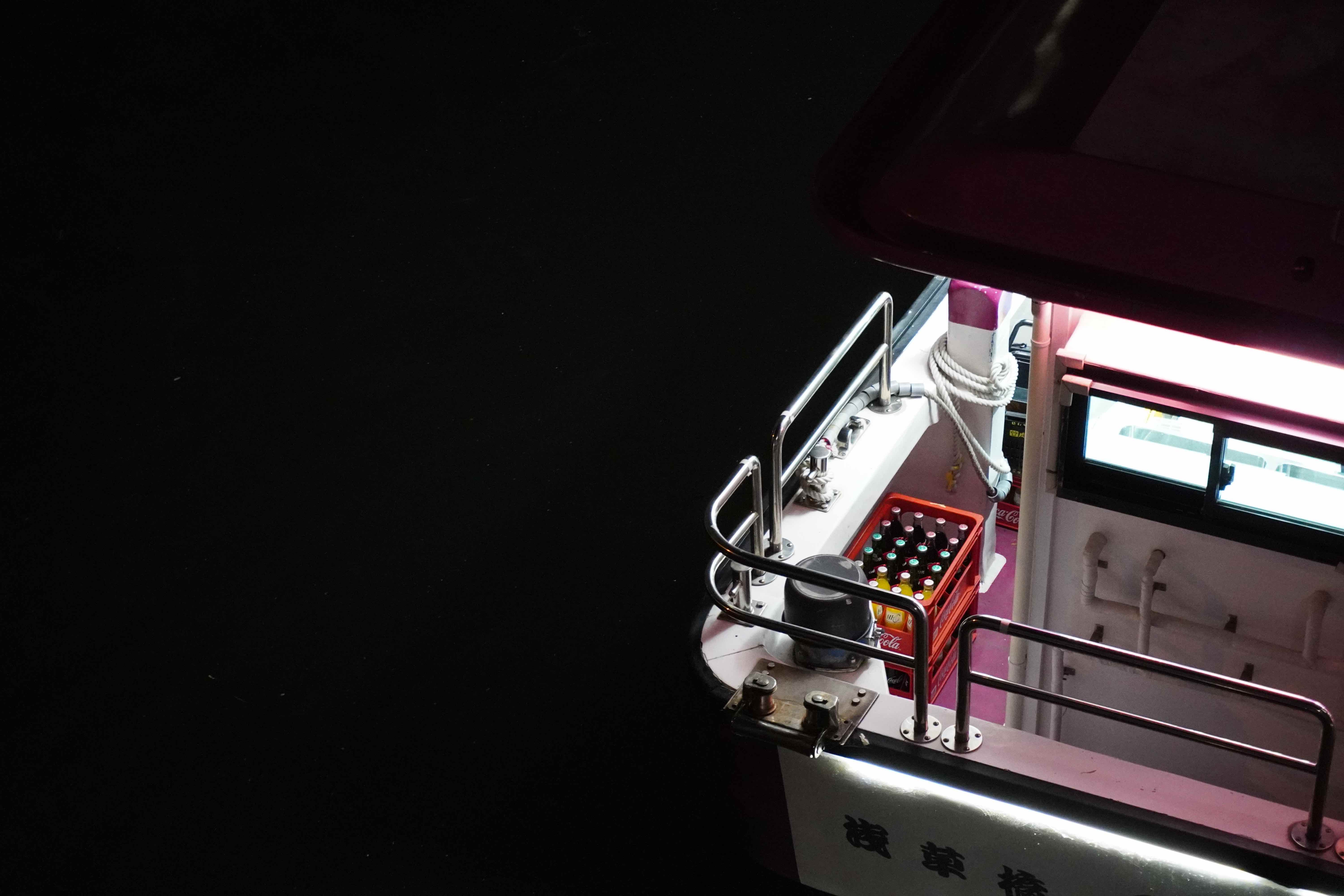
I raised my glass and said, "Let's make it happen, Cap'n. Kanpai!"
Hiroko smiled bright and said "Kanpai! Captain!"
STUDIO MUSCAT
At BIC Camera in Akihabara, at her cash desk a shop assistant searched inventory to see whether the backpack I had selected was stocked, and she found one in its original packaging. She asked for my passport so she could process the purchase duty-free.
I handed her my passport, and her eyes suddenly looked up at mine. She started to speak, but, then she put down the passport and she picked up her phone instead, and typed.
She reviewed her message then held the screen towards me.
The translation read: Why do you have 'ma' Kanji tattooed on your arm?
She had noticed the fresh tattoo, still with second skin. She complied when I gestured for her phone. And I typed my answer.
I like to think about ma in terms of place, a place where you're not meant to stay, in transit, transition, like an elevator, a staircase, and negative space, or a state of being, like 'alive'.
If it's "the silence between the notes which makes the music," then it's the space in-between that give places meaning. Moments in-between that characterize an event.
I'm not meant to stay. And I find that concept exhilirating and potent, and kind of terrifying, because in between each keystroke and breath, is infinite possibility, nothing and everything.
I didn't type all that.
I wrote something like I value the philosophy and aesthetics of negative space. And she seemed to be genuinely pleased with that answer. I paid duty-free for the backpack, and I bowed. And she bowed.
Days before, I had made my way to Studio Muscat in Shibuya. For the appointment I had booked months earlier.
After a brief consultation on sizing and placement, Mizuki led me outside the main building to where they had their tables next door.
DEATH & ROMANCE
A regular expects, even depends on having the like or same experience, again and again. A local submits to the apparent whims realized from interdependencies mostly unknown and unseen and that arrive unexpectedly.
Each night the locals return to see not that things remain, but how they have changed.
Hiroko asked how long I'd stay in Tokyo. Though she already knew that I would leave before her birthday.
We said nothing more about our futures, grateful that we had met at all, and knew about each other.
On our last night out, two days to my departure, she said that she was jealous of people who get to see me every day, stressing each syllable like a walking bass line, her voice alighting the atmosphere around her green hair.